
Consultative Meeting of Representatives of China and Central Asian States Continues
25 November 2026, 18:33 | 9
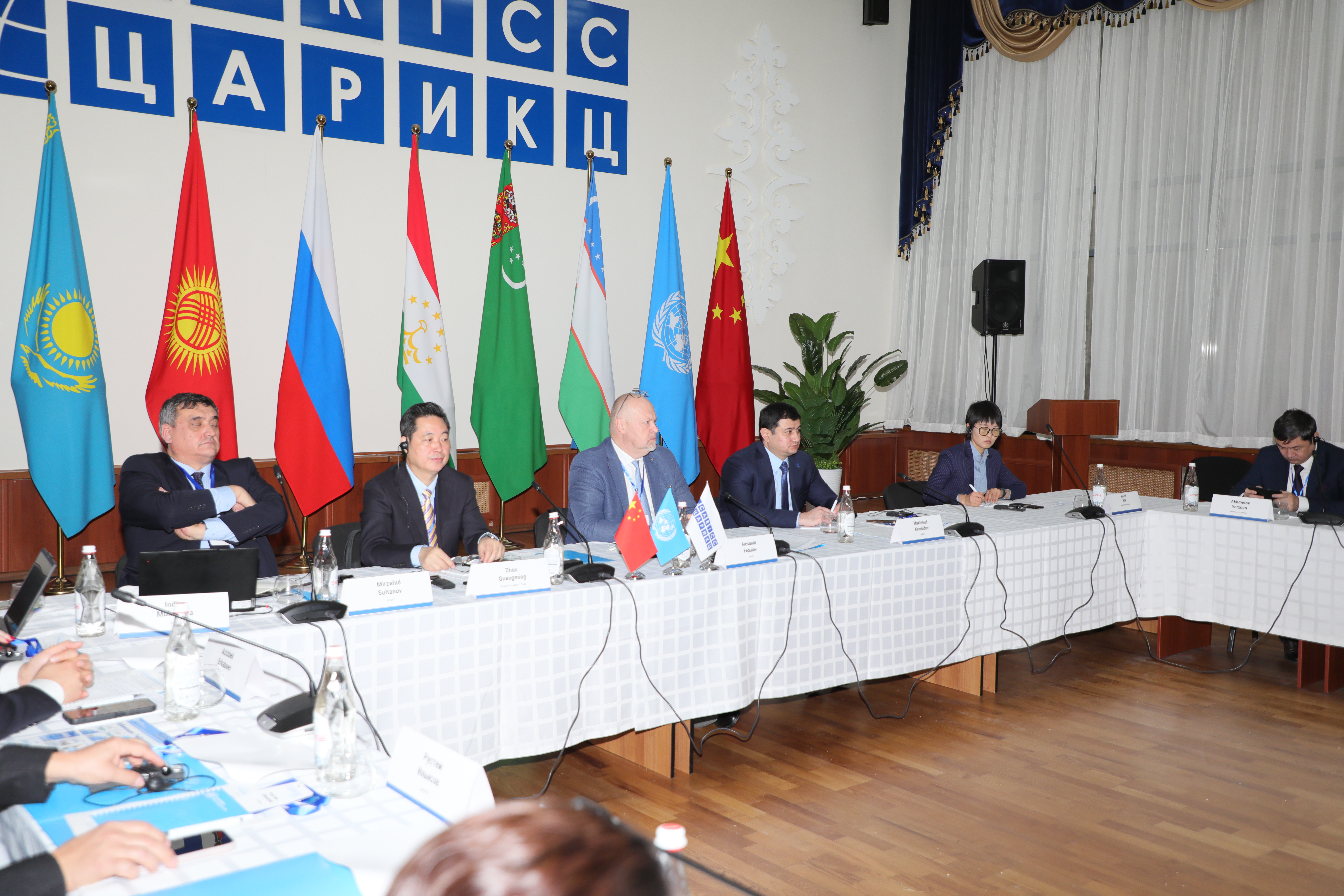
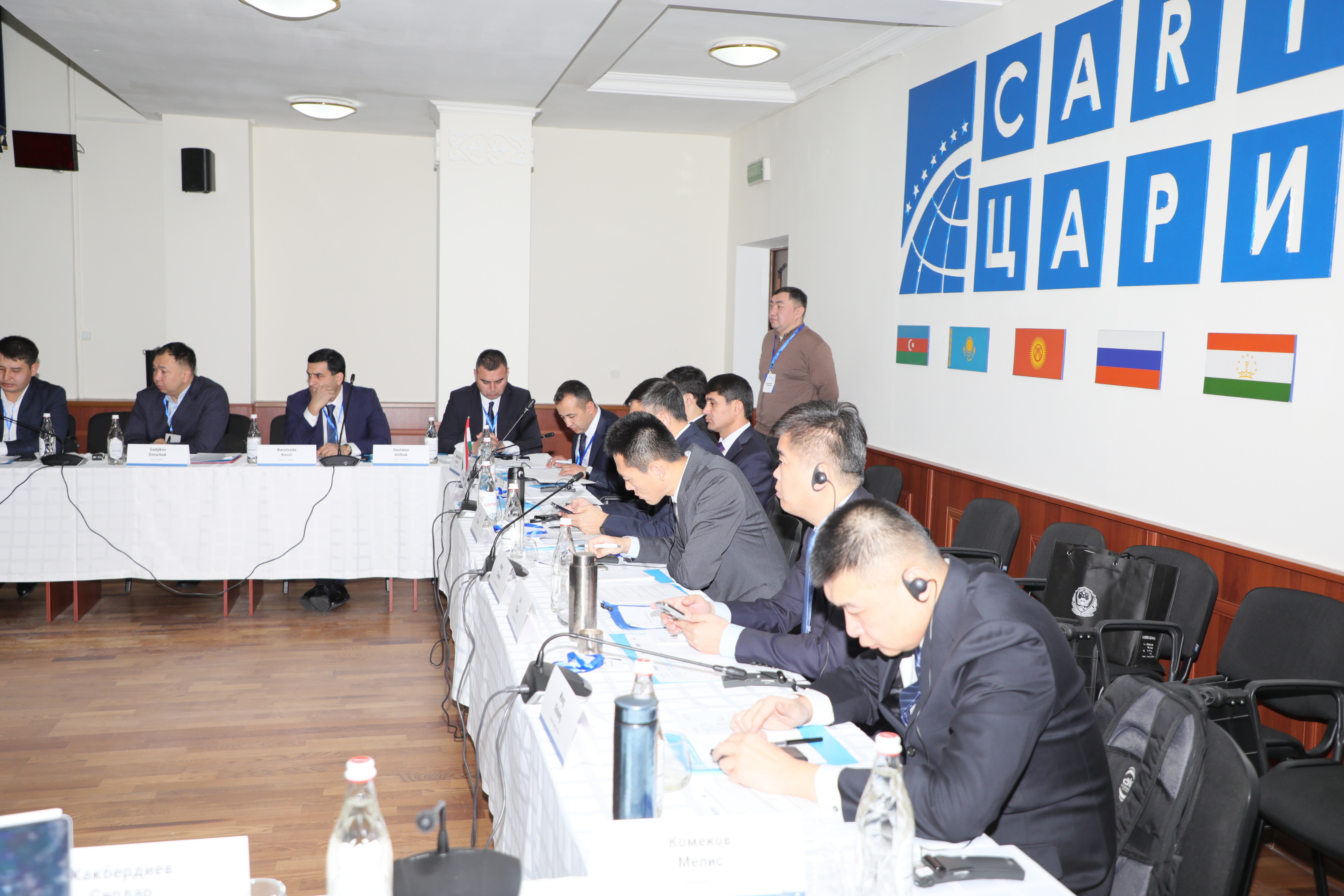
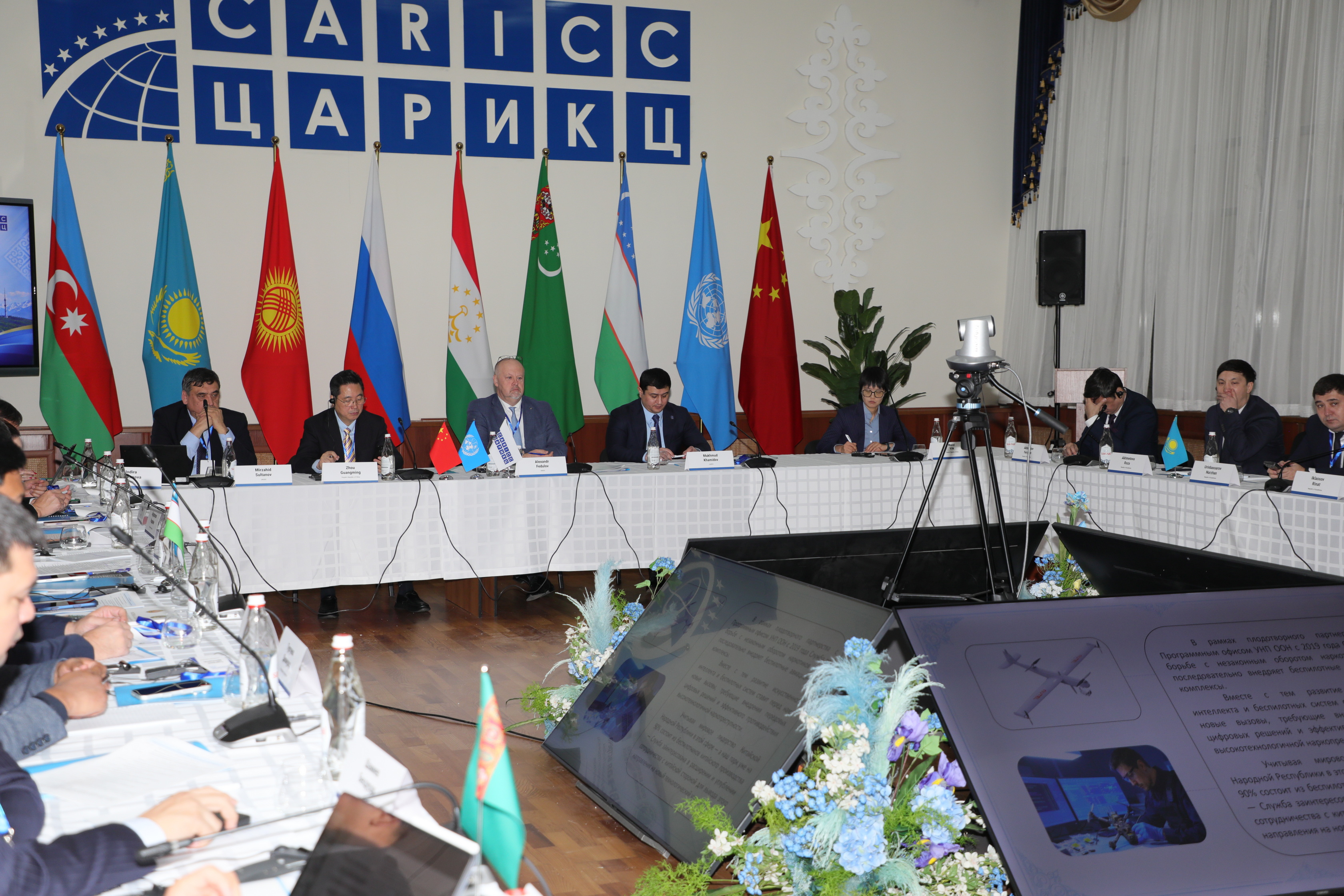
On 25 November 2026, the Consultative Meeting of Representatives of the People’s Republic of China and CARICC Member States on Cooperation in Drug Control continued in Almaty.
The programme of the second day focused on national presentations on the drug situation and discussions of priority issues of regional cooperation.
The delegations presented information on the current drug situation in their respective countries, including key trends in illicit drug trafficking, seizure patterns, sources of illicit drugs, changes in trafficking routes and specific features of national drug markets. The discussions provided an opportunity to compare national assessments and identify common challenges requiring coordinated approaches.
During the thematic discussions, participants examined key trends in drug seizures and changes in cross-border trafficking routes, developments in drug consumption markets, issues related to the identification and control of precursors and other chemicals used in the manufacture of synthetic drugs, as well as the growing use of digital platforms, postal and courier services, and crypto-assets in illicit drug trafficking and related financial transactions.
Particular attention was paid to the exchange of operational and analytical information, the enhancement of early warning mechanisms for emerging threats, improving cooperation among competent authorities, and developing common approaches to analysing the drug situation in the region.
The discussions provided a platform for comparing national experience, identifying common challenges and determining areas requiring further coordination and practical cooperation among China, CARICC Member States and UNODC.
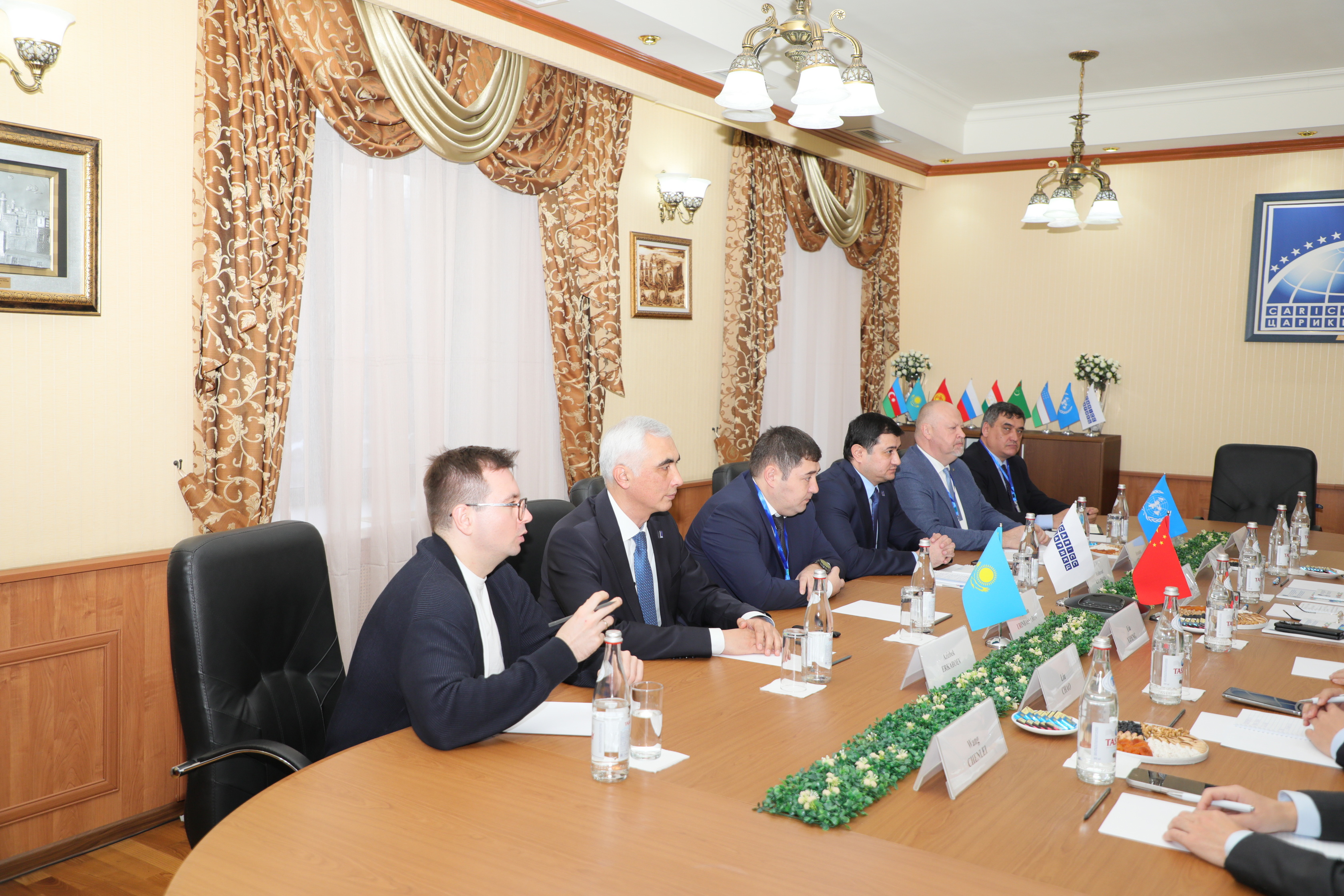
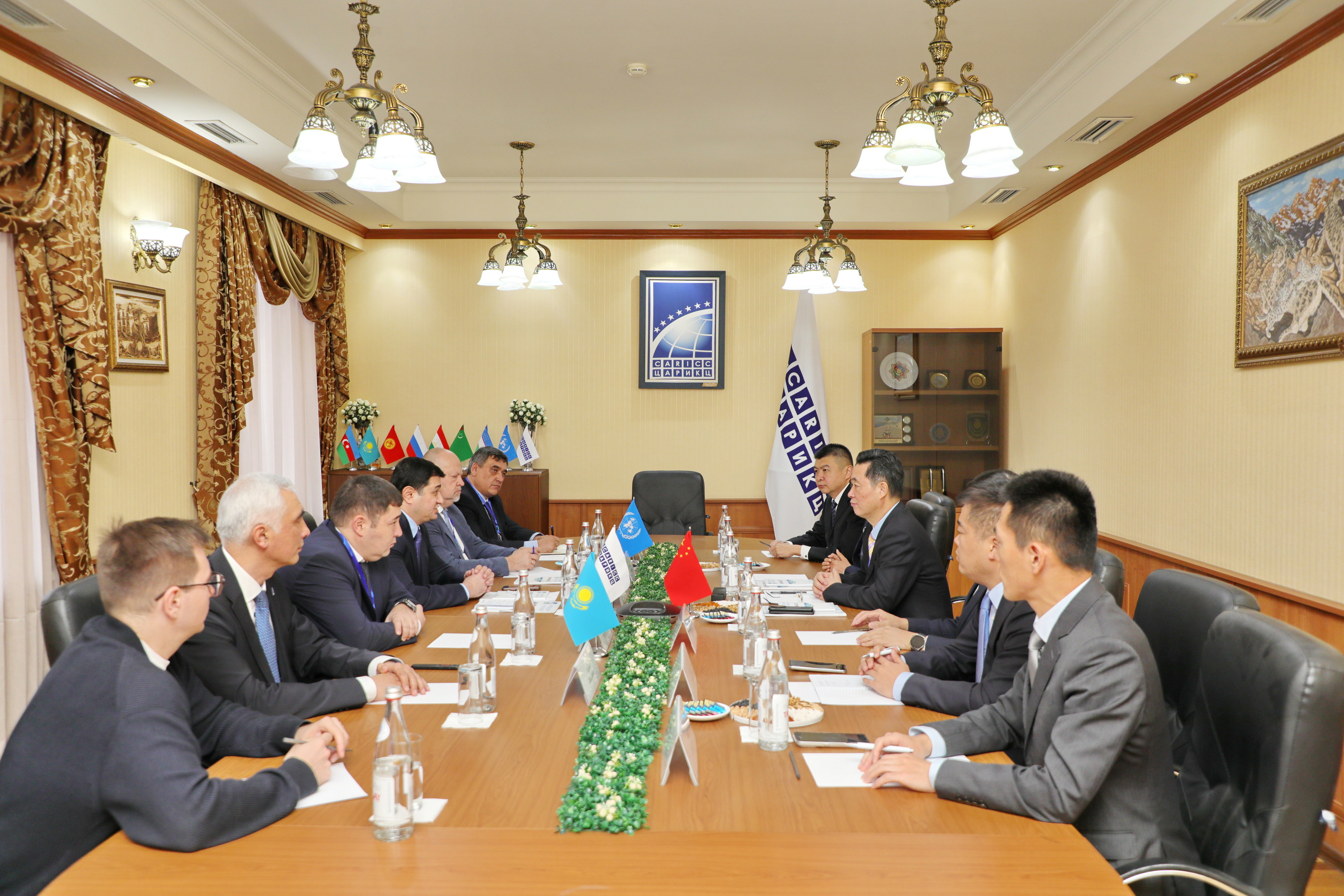
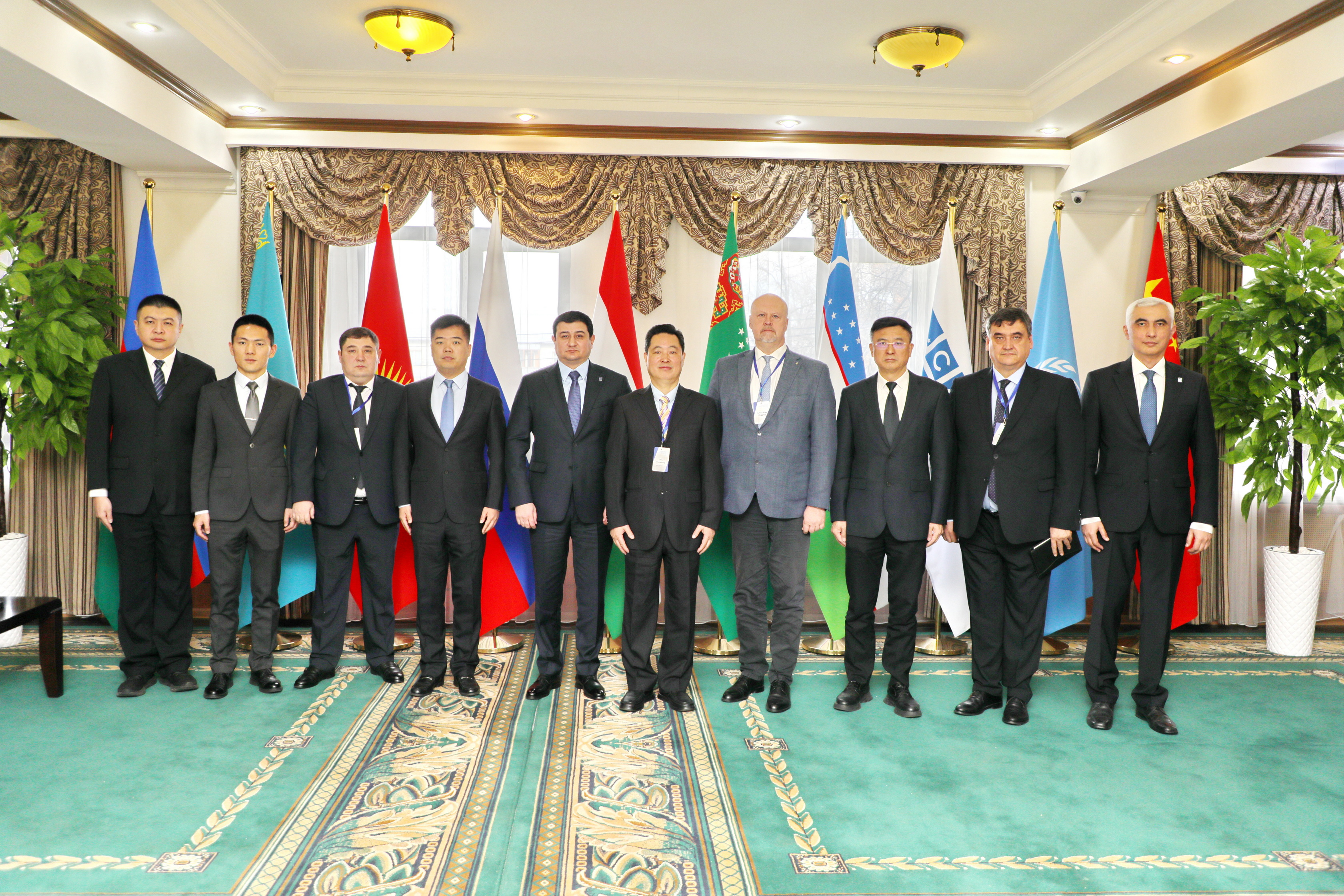
On the sidelines of the second day of the Consultative Meeting, a bilateral meeting was also held with the delegation of the People’s Republic of China. During the meeting, the Chinese delegation was briefed in detail on CARICC’s main areas of activity, its information and analytical and coordination capabilities, its mechanisms for cooperation with the competent authorities of its Member States, and the potential of the CARICC platform to facilitate international cooperation.
Both sides expressed their mutual interest in further strengthening cooperation by making use of CARICC’s institutional capabilities and expert potential. They discussed prospects for expanding the exchange of analytical information, holding joint expert consultations and thematic events, and developing practical cooperation in priority areas of countering illicit drug trafficking, including the spread of synthetic drugs, illicit trafficking in precursors and the use of digital channels for drug trafficking. The importance of maintaining regular dialogue and identifying specific areas of cooperation of mutual interest to CARICC and the competent authorities of China was also emphasised.
Photo Gallery