
CARICC Participates in the Review of the Results of the “Channel – Caspian Lighthouse” Anti-Drug Operation
02 November 2026, 08:59 | 32
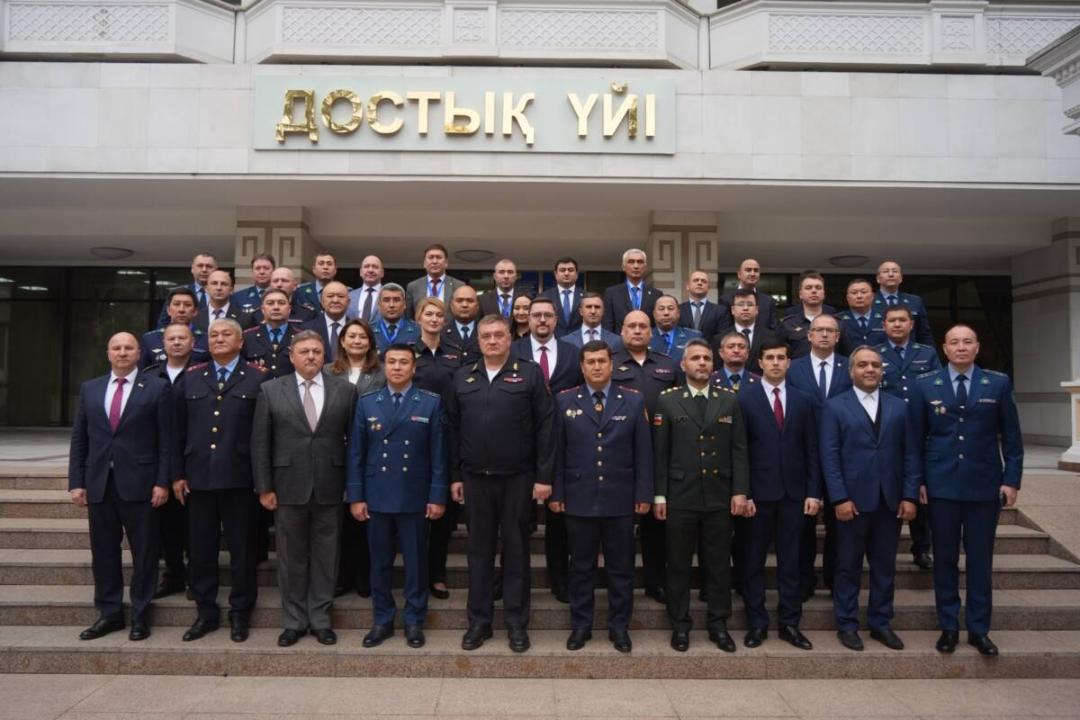
On 30 October 2026, in Almaty, a CARICC delegation headed by the Director of the Centre took part in the closing event and meeting reviewing the preliminary results of the subregional anti-drug operation “Channel – Caspian Lighthouse”, conducted from 26 to 30 October across the territories of the CSTO Member States.
The event was attended by representatives of the CSTO Secretariat, heads and representatives of the anti-drug agencies of the CSTO Member States, competent authorities of Iran and China, as well as specialised international and regional organisations.
The meeting reviewed the results of joint activities aimed at identifying and disrupting cross-border drug trafficking routes, dismantling clandestine drug laboratories, neutralising transnational drug trafficking groups and undermining the financial foundations of the drug trade.
According to the preliminary results of the operation, the competent authorities identified 790 drug-related offences, including 81 cases of drug smuggling, and dismantled 101 drug trafficking groups. More than 11.4 tonnes of prohibited substances were seized from illicit circulation across the territories of the CSTO Member States, China and Iran. Approximately 200,000 cannabis plants were identified, and 376 individuals involved in drug-related offences were detained. In addition, 674 internet resources used to disseminate prohibited drug-related information were identified.
Considerable attention during the operation was also devoted to identifying the financial mechanisms underpinning the drug trade. During the active phase of the operation, financial intelligence units identified more than 80,000 suspicious financial transactions with a total value exceeding RUB 1 billion. Information provided to law enforcement authorities contributed to the initiation of six criminal proceedings on money laundering offences involving proceeds of crime.
The meeting also provided an opportunity to exchange assessments of current trends in the drug situation and practical approaches to combating transnational drug-related crime.
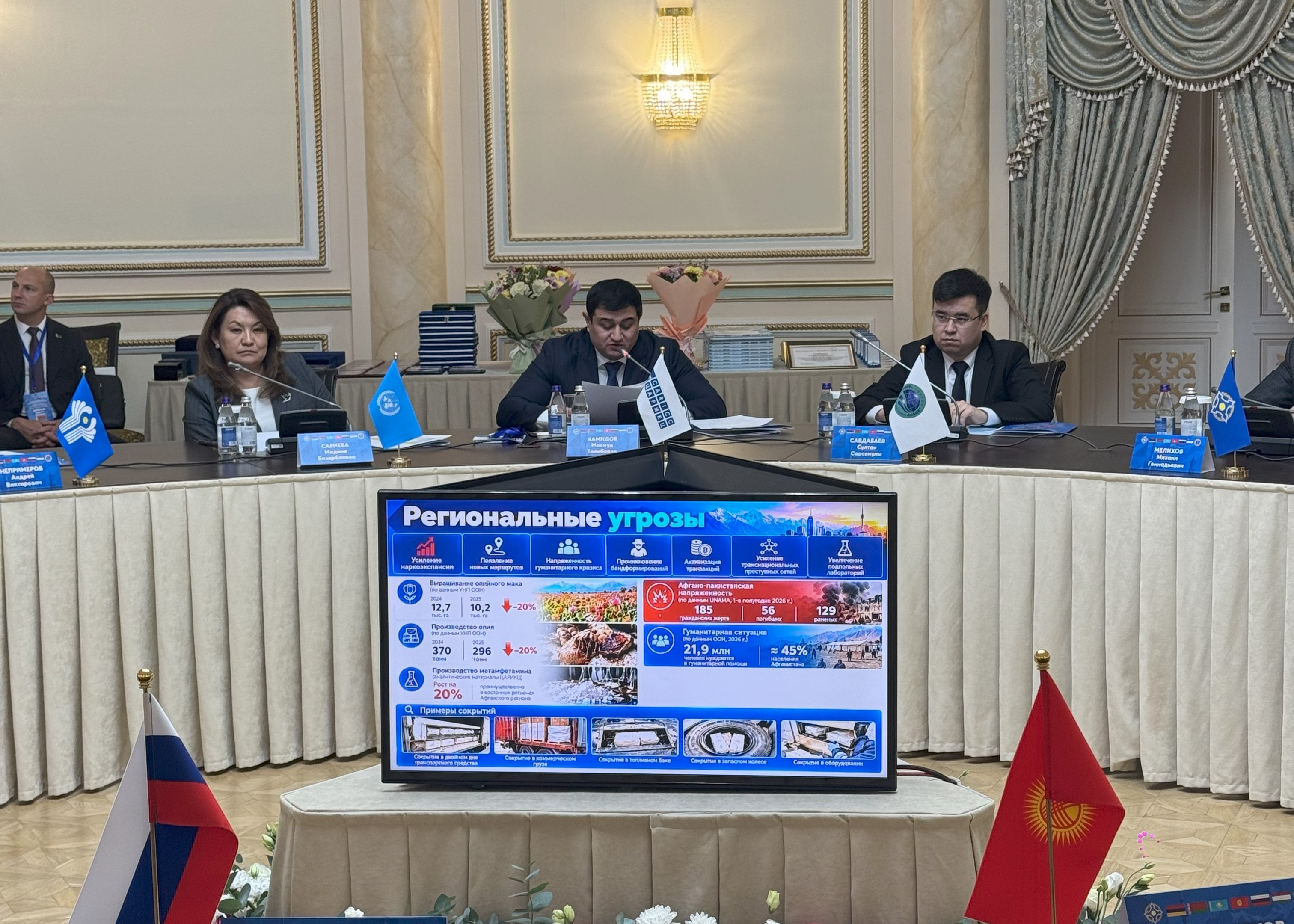
CARICC Director M. Khamidov delivered a presentation outlining the main trends in the drug situation across the CARICC Member States. His presentation highlighted the expansion of digital drug distribution channels, the growing production of synthetic drugs, the transformation of traditional drug trafficking routes and the increasing role of the financial infrastructure supporting the drug trade.
Particular attention was paid to the development of a regional early warning system for emerging drug threats under the CARICC 2.0 concept, the application of artificial intelligence technologies to identify interconnected patterns of transnational drug-related crime, and the expansion of professional cooperation with the competent authorities of Afghanistan.
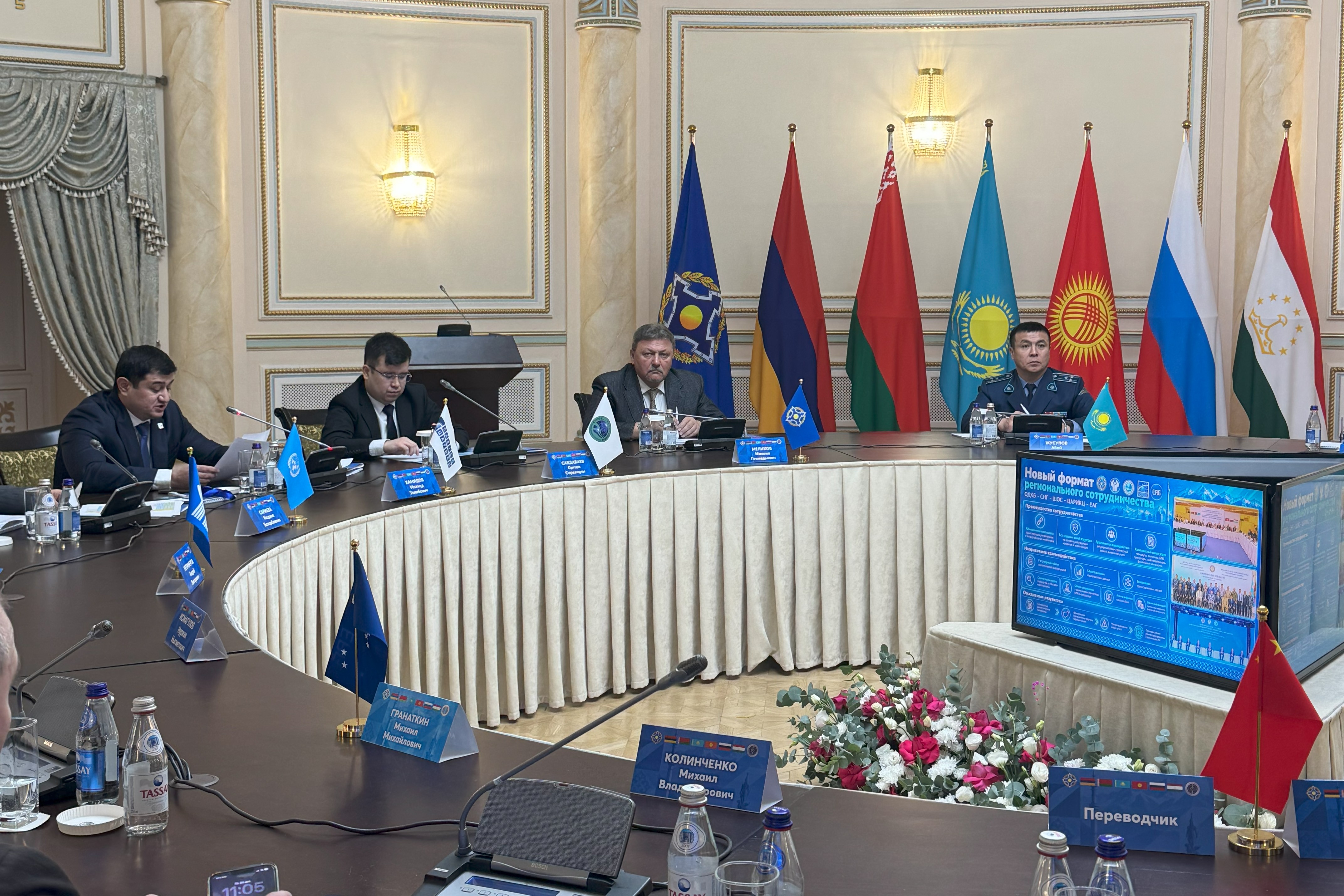
Building on these priorities and recognising the need to further enhance the effectiveness of joint anti-drug activities, the CARICC Director put forward a number of practical initiatives aimed at strengthening intergovernmental and inter-organisational cooperation. These include:
Establishing a sustainable cooperation mechanism in the format of CSTO – CIS – SCO – CARICC – EAG, based on the existing mandates and competencies of the participating organisations;
Establishing a joint working group and designating contact points to facilitate continuous information and analytical exchange;
Harmonising approaches to the exchange of analytical information on synthetic drugs, illicit precursor trafficking, digital drug trafficking and financial flows;
Conducting joint special anti-drug operations with the participation of interested regional organisations;
Organising a joint meeting of representatives of the CSTO, CIS, SCO, EAG and CARICC to develop an agreed cooperation mechanism and a corresponding roadmap for its practical implementation.
The proposed initiatives are intended to facilitate a transition from predominantly information exchange towards more systematic cooperation based on joint analysis of drug threats, their early identification and coordinated practical response measures.
In concluding the meeting, participants noted the practical significance of the operation and reaffirmed the need to further consolidate the efforts of the competent authorities of the countries in the region and international partners in combating transnational drug-related crime.
CARICC will continue to promote regional cooperation, strengthen information and analytical exchange mechanisms, and develop coordinated approaches to the early identification of emerging drug threats, thereby contributing to the strengthening of collective anti-drug security.
Photo Gallery