
CARICC delegation participates in meeting of Regional Working Group on Precursors in Astana
17 February 2026, 18:41 | 434
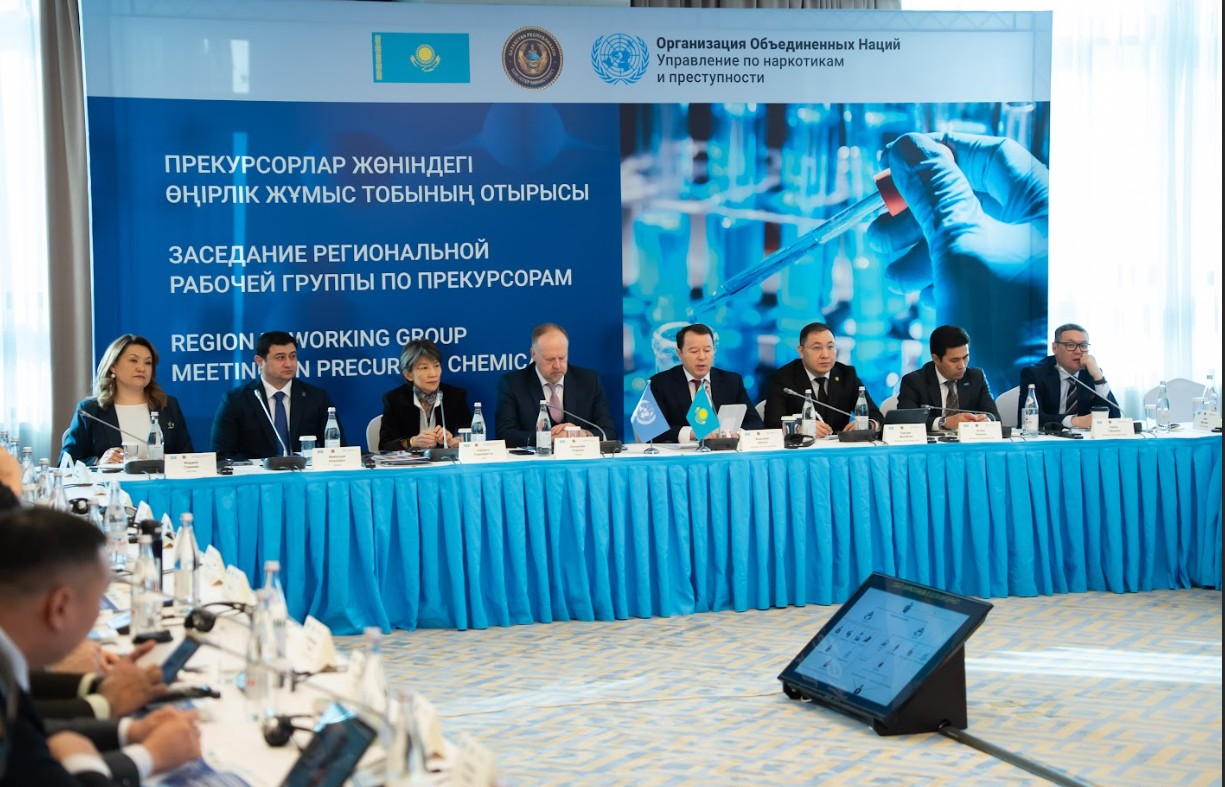
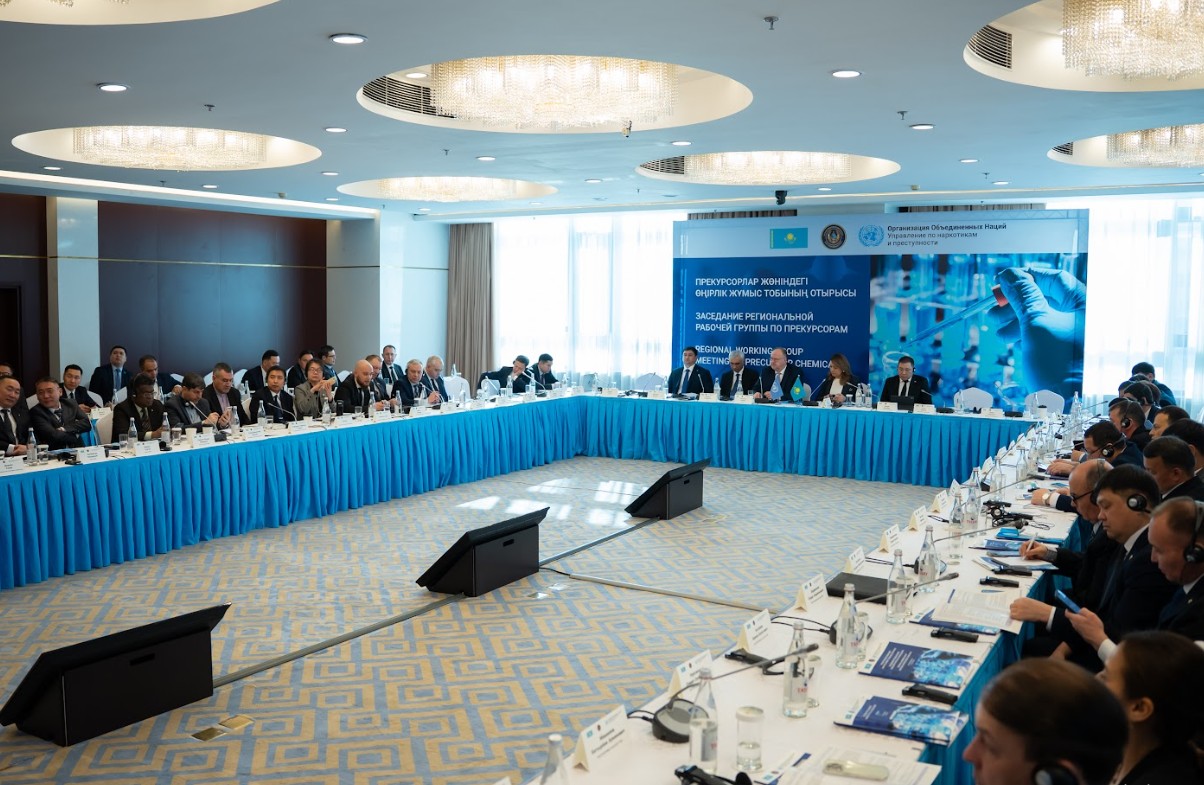
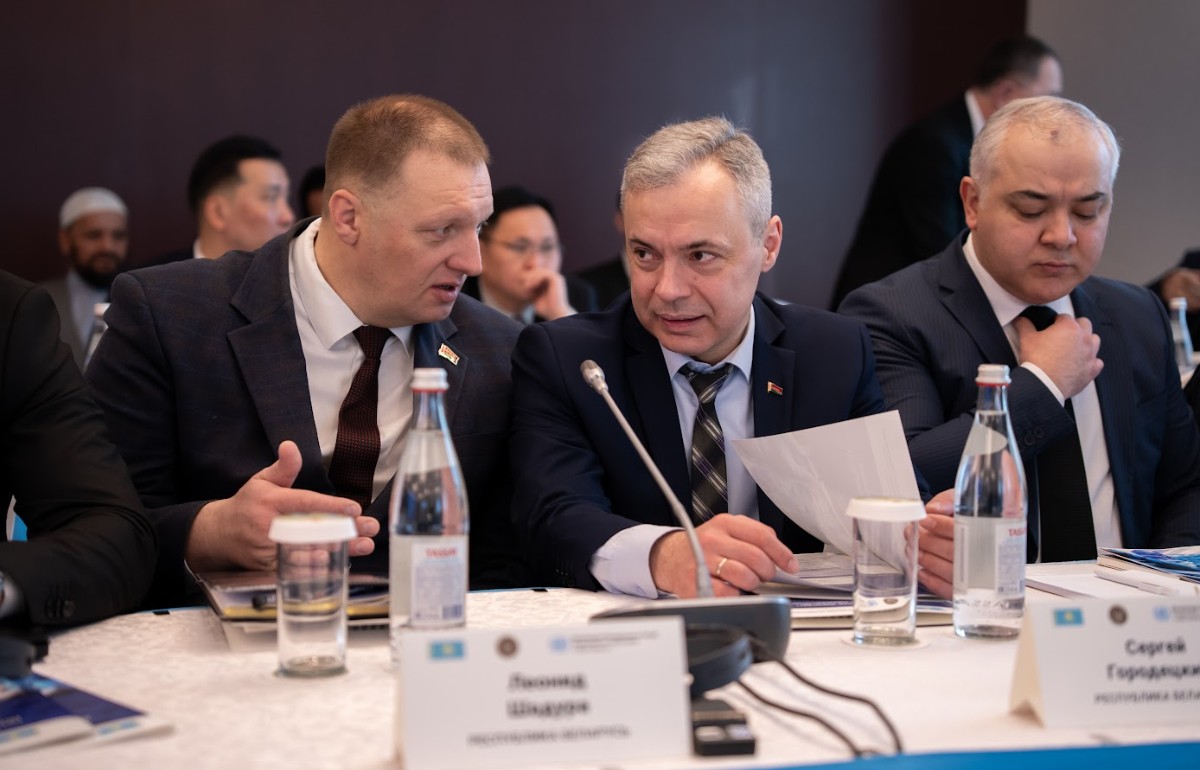
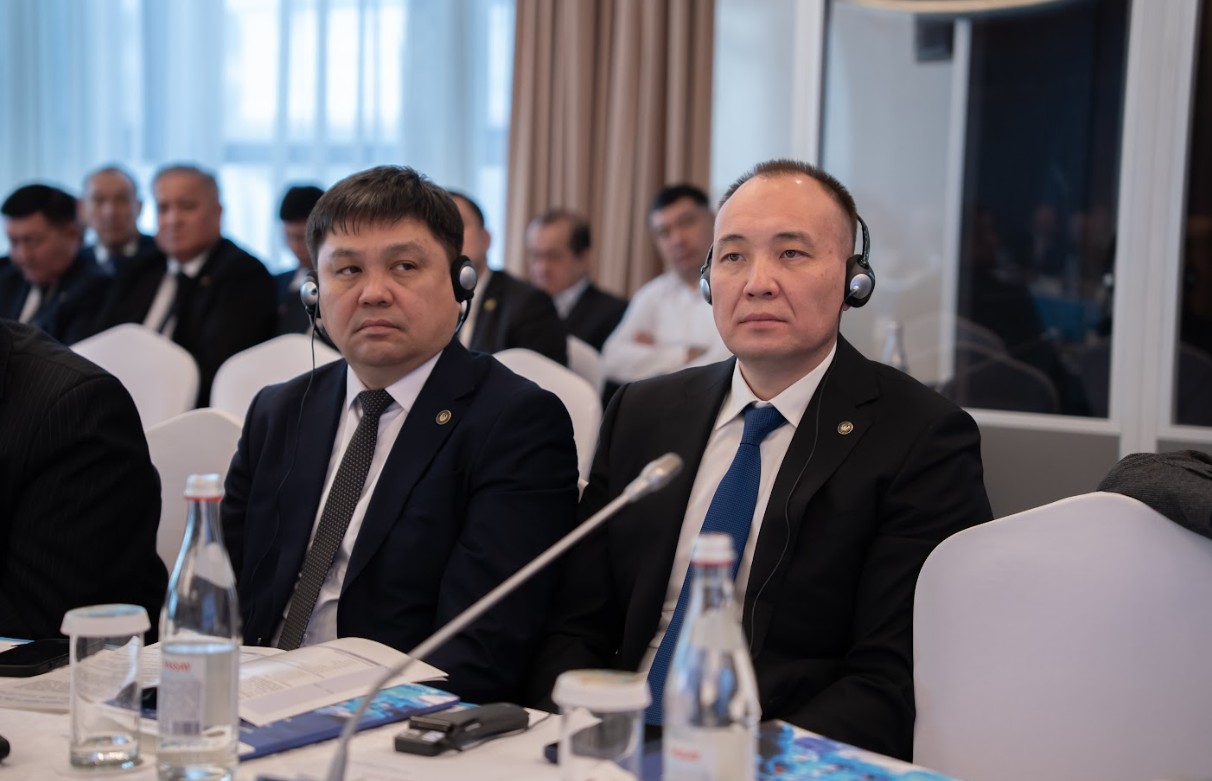
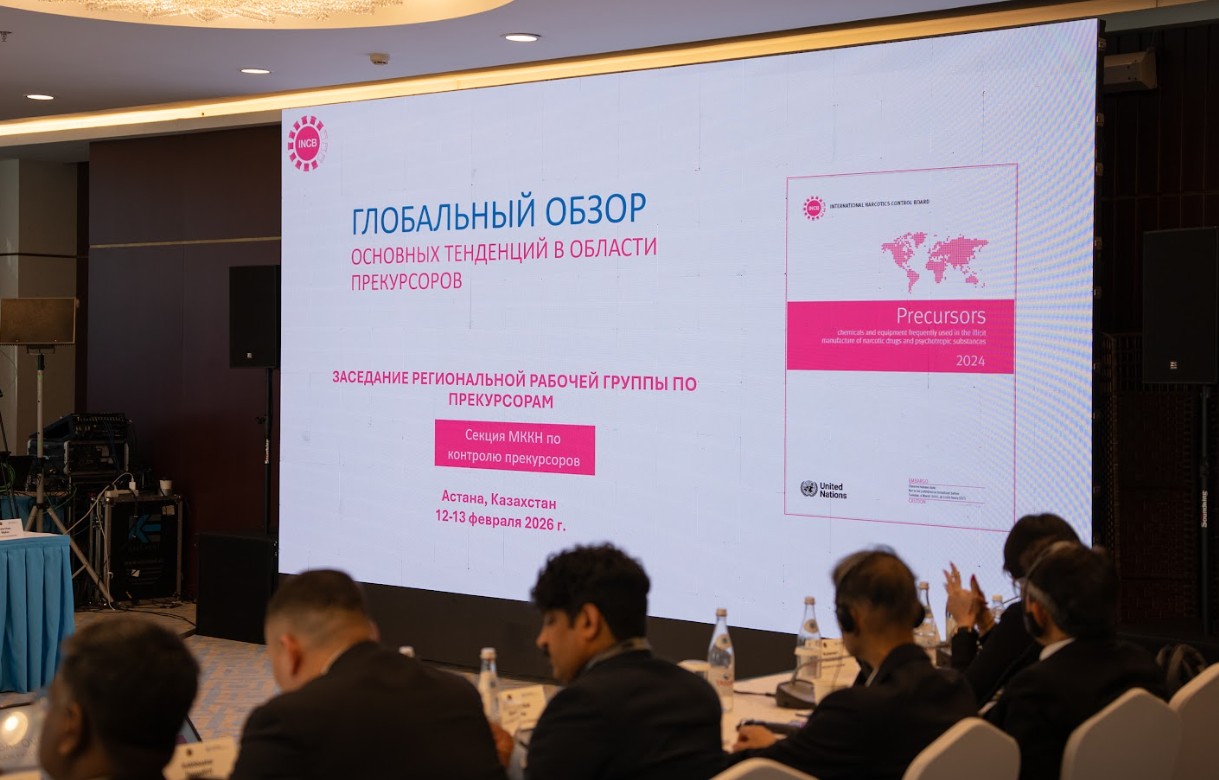
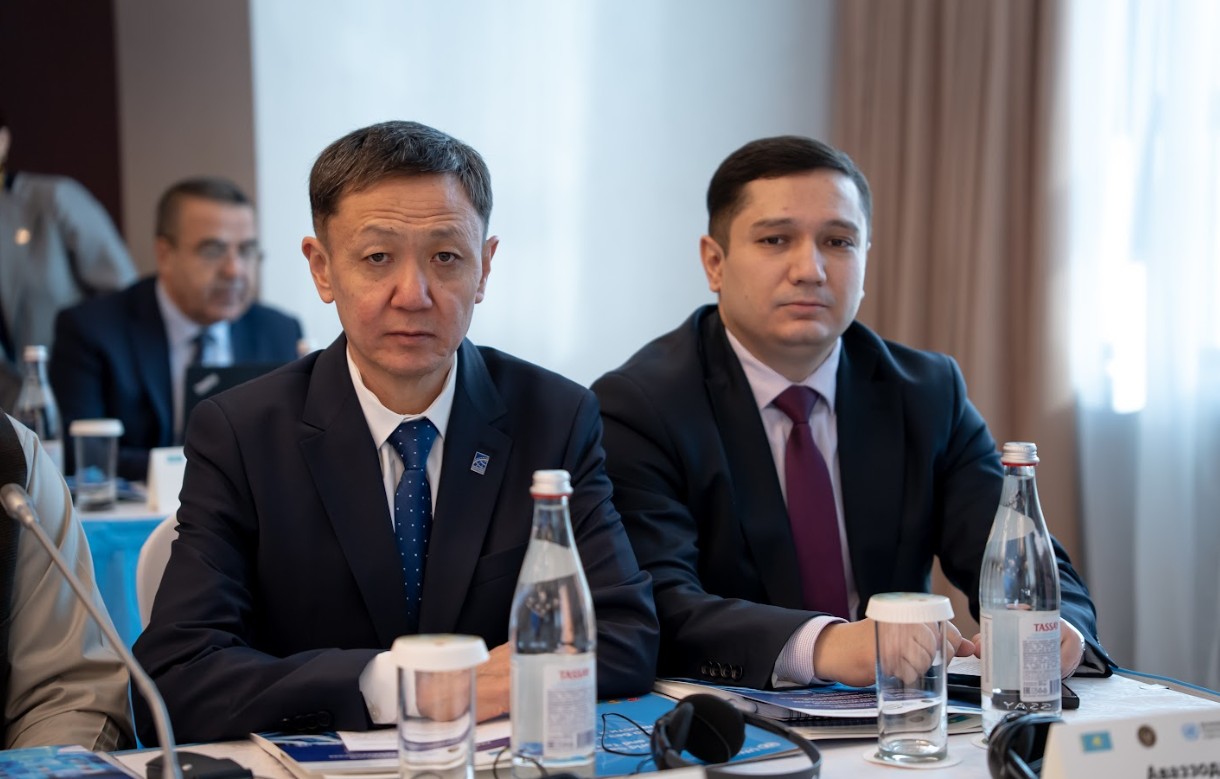
CARICC delegation led by Director M. Khamidov participated in a meeting of the Regional Working Group on Precursors in Astana on 12-13 February 2026.
The event was organized by the Ministry of Internal Affairs of the Republic of Kazakhstan in conjunction with the UNODC Office in Astana. Representatives of competent authorities of the member states and observers of the Centre attended the event.
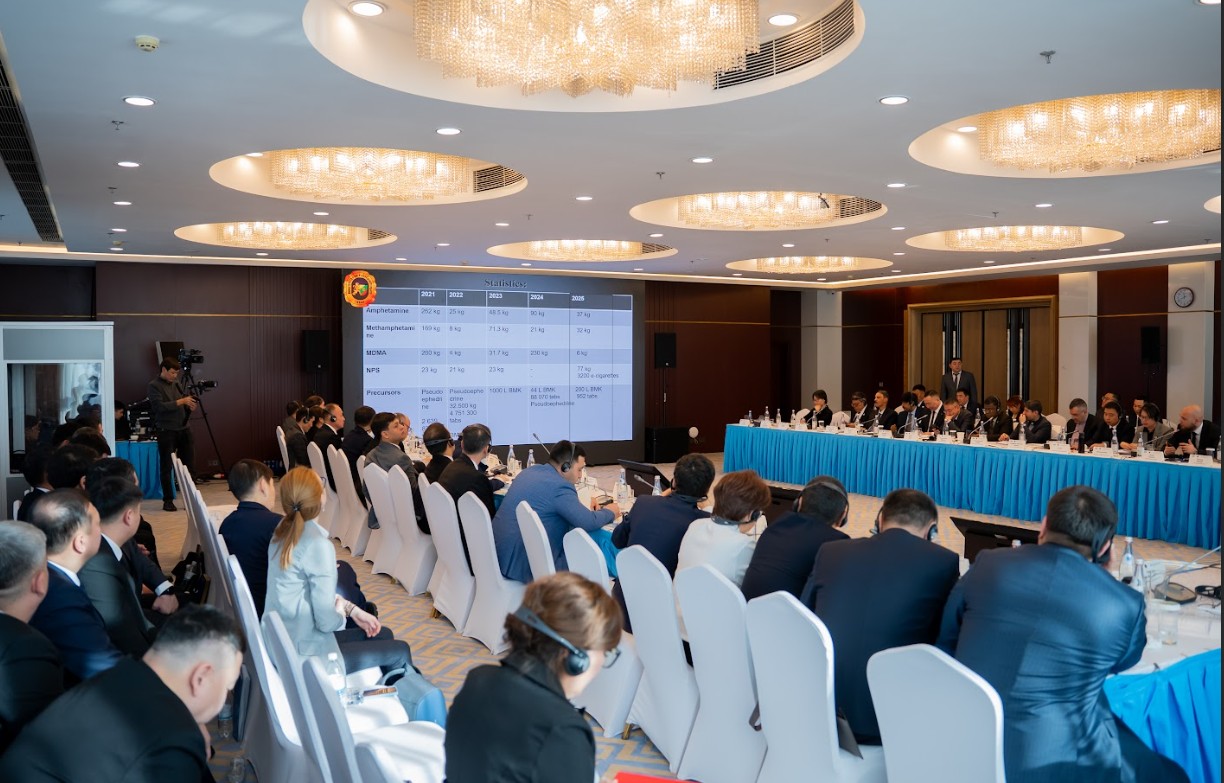
The meeting discussed current trends in illicit trafficking of drugs and precursors, along with ways to strengthen regional cooperation mechanisms.
CARICC experts gave a series of presentations reviewing drug situation in the region, discussing implementation of an early warning system for synthetic drugs in Central Asia, and reporting on organization and results of joint bilateral and multilateral anti-drug operations coordinated by the Centre.
A separate session was devoted to discussing prospects for CARICC's activities in the context of implementing the Roadmap for further development and improvement of the Centre's work for 2026.
Special attention was paid to strengthening analytical component of CARICC's activities and expanding the Centre's capacity to provide strategic and thematic analytical reports.
Following the discussions CARICC recommended the following to seminar participants:
1. Intensify the use of CARICC as a regional coordination platform. It was recommended that CARICC member states, observers, and partners expand their use of CARICC mechanisms for rapid exchange of information on suspicious shipments of precursors, new trafficking routes, and detected clandestine laboratories.
2. Strengthen analytical cooperation through CARICC. It was proposed that national analytical data and statistics be sent regularly to CARICC to compile regional overviews and assess trends in illicit trafficking of precursors and NPS.
3. Develop practical coordination of joint operations. It was recommended to use CARICC platform for planning, coordinating, and supporting subregional and transnational counter-narcotics operations, including those aimed at controlling precursors and detecting illicit production (“REFLEX”, “Substitute”).
4. Institutionalize exchange of expertise and best practices. It is advisable to use CARICC as a permanent mechanism for conducting thematic working meetings, training sessions, and expert consultations on matters related to controlling precursor chemicals and performing investigations.
5. Strengthen inter-agency coordination at national level through CARICC. It was recommended that member states more actively engage relevant national authorities (law enforcement, customs, and forensic agencies) in working with CARICC instruments and initiatives.
6. Expand interaction with observer states and partners. It was proposed to encourage more active participation in CARICC events, analytical initiatives, and operational mechanisms to develop a unified regional approach to countering cross-border threats.
7. Promote development of early warning systems. It was recommended to support the initiative by CARICC and UNODC to develop and implement a regional early warning system on new psychoactive substances and precursors using CARICC infrastructure.
8. Ensure regular monitoring of recommendations implementation. To task CARICC with the support of UNODC with monitoring implementation of these recommendations and presenting summary information at subsequent meetings of relevant regional working groups.
Concluding the meeting, participants underlined the importance of further enhancing information exchange, developing practical cooperation, and consolidating efforts to effectively combat modern drug threats.
Photo Gallery